
Mission
Understanding the Challenge & Our Response
Strays are a man-made problem. Understanding why they exist — and what they cost communities — is the first step towards preventing them.
01 / The Root Cause
Supply & Demand Mismatch
The root cause of stray companion animals is a supply-and-demand imbalance: more dogs and cats are available than there are homes for them. In most countries, demand is relatively inelastic. It is difficult to increase the number of people willing or able to acquire one or more pets. Therefore, the solution must be to reduce the supply of pets in a humane and sustainable way.
01 — The Problem
Strays are a man-made problem
The stray animal crisis is a man-made problem. Stray dogs and cats do not magically appear on the streets. Every stray was once someone's pet, or the puppy or kitten of someone's owned but unsterilized pet, even if the original abandonment occurred generations ago.
02 — The Cause
Overbreeding, abandonment and irresponsible pet ownership
Overbreeding of owned pets, often unwanted and accidental, abandonment, and irresponsible pet ownership create the supply-demand imbalance that leads to stray and homeless animal populations. Addressing these underlying causes is essential to achieving a long-term and sustainable reduction in the number of stray dogs and cats.
02 / Why It Matters
Public Health &
Public Safety Risk
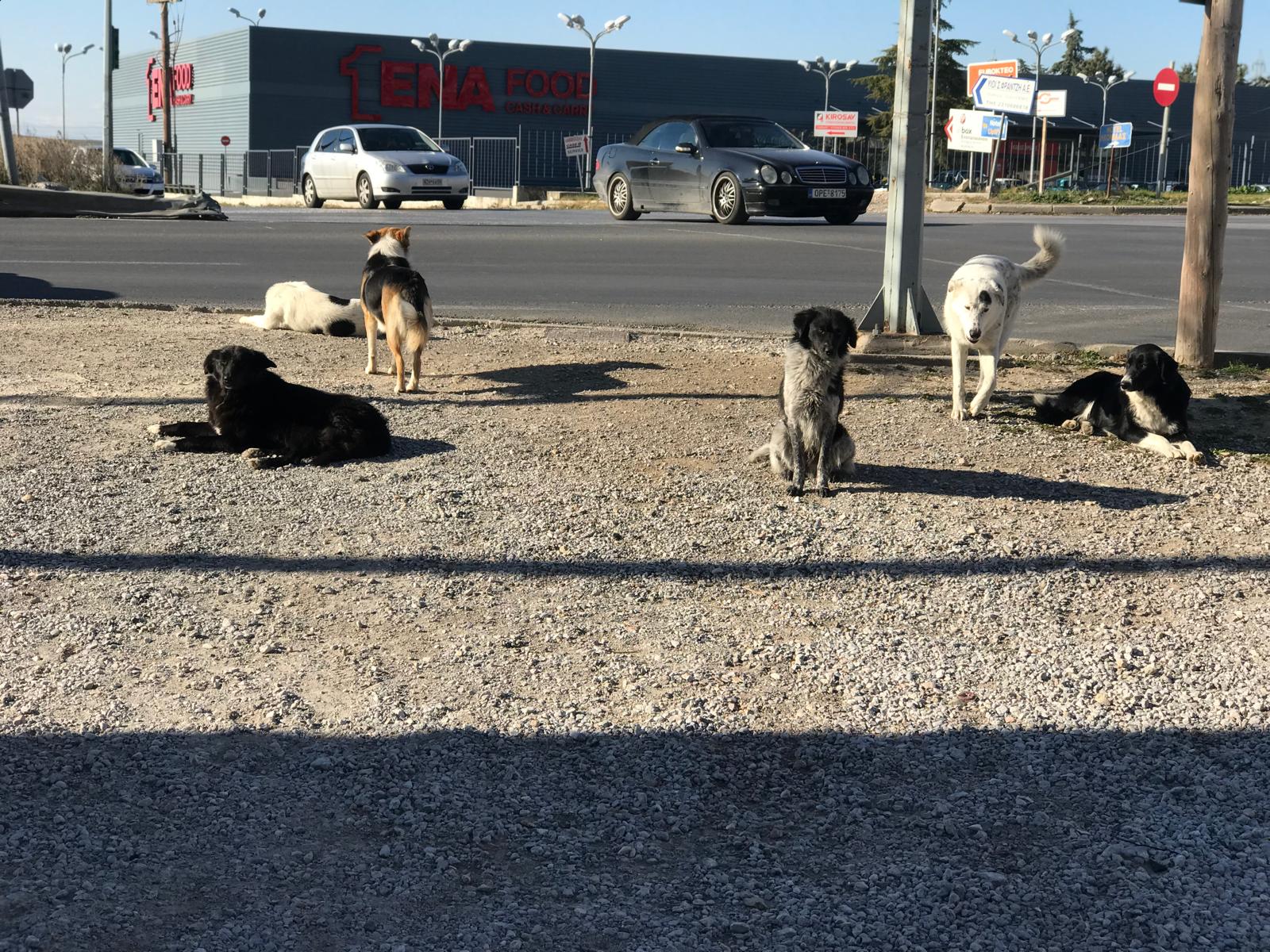
Most stray animals are not aggressive. In fact, many survive precisely because they have learned to coexist peacefully with humans, relying on the kindness, food, and tolerance provided by the communities around them. However, it only takes one aggressive or fearful roaming owned, semi-stray or stray animal to create serious public safety concerns and generate fear or hostility toward all strays, potentially leading to devastating consequences for both animals and people.
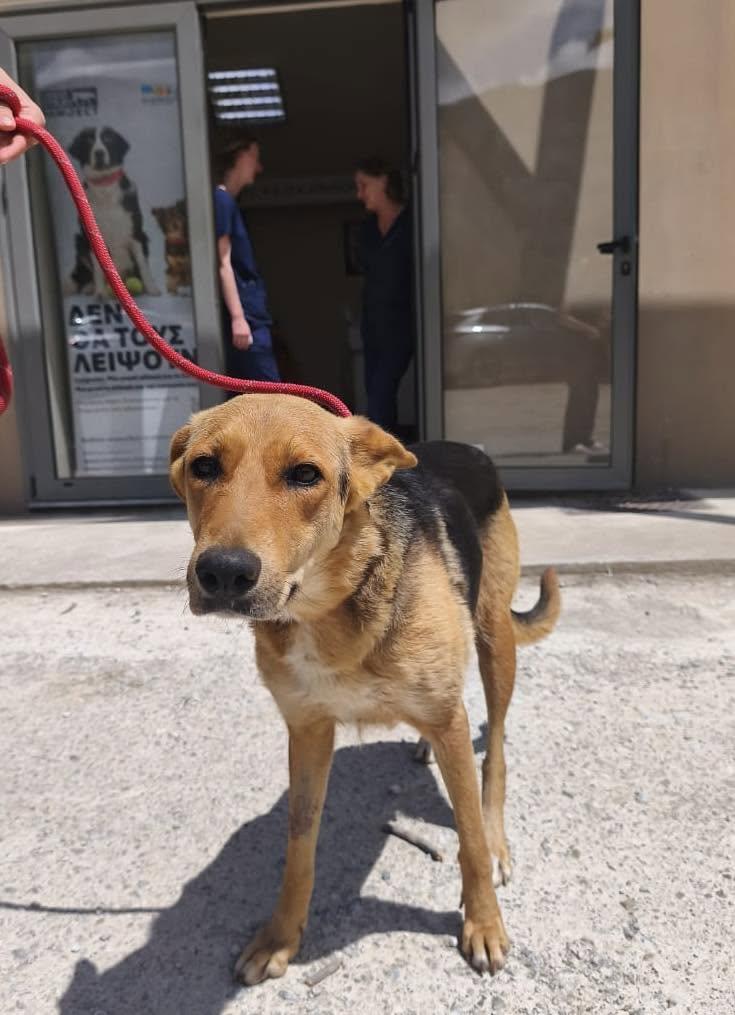
Strays are not an animal welfare issue — they are a societal issue touching health, safety, budgets and community trust.
03 / Economic Impact
Economic Burden
The phenomenon of strays can also carry significant economic consequences. Many countries struggling with large stray populations rely heavily on tourism as a major pillar of their economy. While the precise national economic impact is difficult to calculate, even a small reduction in tourism confidence or local business activity can translate into billions in lost economic opportunity over time.
Direct costs include

Visible stray populations affect how safe, welcoming and well-managed a destination appears to visitors, residents and investors.
04 / Core Mission
Solve the stray animal crisis by eradicating its root causes
ZSP's mission is to solve the problem of stray animals by eradicating its root causes and intervene BEFORE a dog or cat ends up on the street, rather than treating the symptom. Zero Stray Pawject's philosophy is to shift the focus towards prevention: intervening before a dog or cat gets surrendered, homeless, or stray.
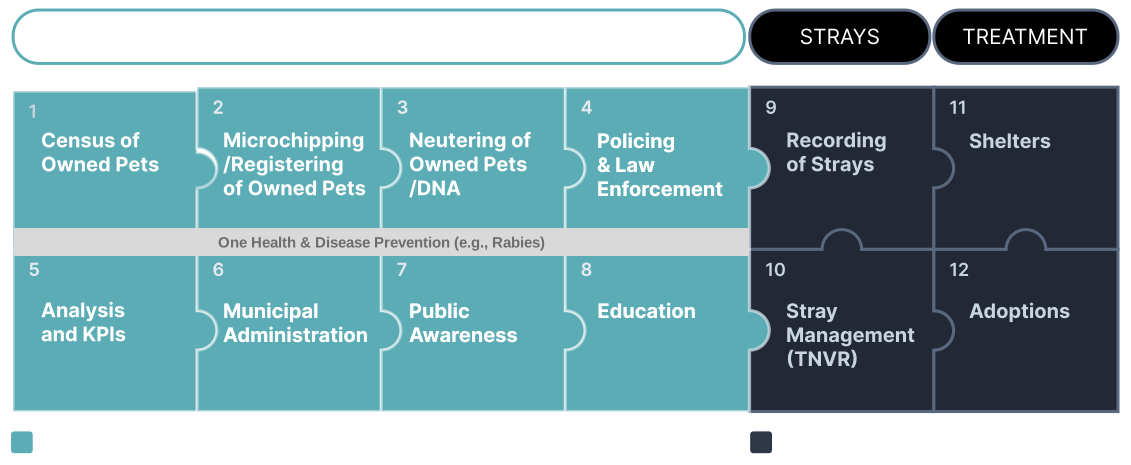
The eight preventative interventions
Map and register owned pets in each community, in collaboration with municipalities.
05 / The ZSP Approach
How We Work
Our mission is to achieve zero stray dogs and cats by eradicating the root-cause of strays rather than treating the symptoms. Rather than functioning as a traditional animal welfare organization focused on downstream rescue, shelter, and adoption, Zero Stray Pawject works upstream and operates as a systems change organization addressing the root causes of strays through “prevention”.
Learn more (PDF) →We believe that lasting behavior change can only be achieved by bringing together all stakeholders who influence the companion animal ecosystem. For this reason, we work collaboratively with municipalities, local and national governments, law enforcement, veterinarians, breeders, trainers, hunters, farmers, educators, vulnerable communities, animal welfare organizations, and pet owners.
Learn more (PDF) →Lasting change requires more than laws, enforcement, or programs. It requires changes in attitudes and behaviors. We believe that sustainable solutions are only possible when people understand the problem, embrace their role in solving it, and become part of the change.
Learn more (PDF) →
Ready to act on what you know?
Bring the prevention model to your community — or help fund the work that makes zero strays possible.