
Impact
Aegina Proof of Concept
stray dogs
Aegina is a municipal proof of concept designed and led by Zero Stray Pawject in collaboration with the municipality of Aegina between 2018 and 2022. By focusing on prevention, the program achieved an 85% reduction of stray dogs.
Municipal Level — Aegina
01 / Case Studies
Proof At Three
Scales
One municipality, one region, one country. Start with the scale that matches yours.
02 / Municipal Level · 2018–2022
Aegina
The situation
Despite two shelters and an established TNVR programme, Aegina’s stray dog population remained persistently high. Reactive management was absorbing municipal budget without changing the underlying numbers.
What we did
Zero Stray Pawject worked alongside the Municipality of Aegina — Director of Public Health Sofia Hatzina as project manager, Mayor Giannis Zorbas, all five local veterinarians, the police under Thanos Karaggianis, and the public. The programme focused on preventing owned dogs from becoming abandoned and stray in the first place.
Phase one — building the registry
The first phase established Greece’s first enhanced municipal dog registry, designed by Zero Stray Pawject and managed solely by the municipality. It combined each dog’s microchip number and key information — including neutering status and reasons for not neutering — with owner details and attitudinal data collected through questionnaires.
Phase two — reducing overproduction
The municipality clustered owners by their reasons for not neutering and tailored outreach accordingly. Owners intending to breed were phoned; those who said their dogs lived in a controlled environment received targeted texts about the risk of unintended litters — important, as 62% of female owned dogs that had given birth had done so unintentionally.
In parallel, Mayor Zorbas asked the public to photograph and report stray dogs to a dedicated address. Zero Stray Pawject mapped every report in Google Maps, building a clear picture of the population and of the programme’s effect on it.
The result
The first known initiative to reduce a local stray population systematically and sustainably through a prevention-led, data-informed approach.
“Only organization that knows how to reduce strays sustainably and avoids a public health risk.”
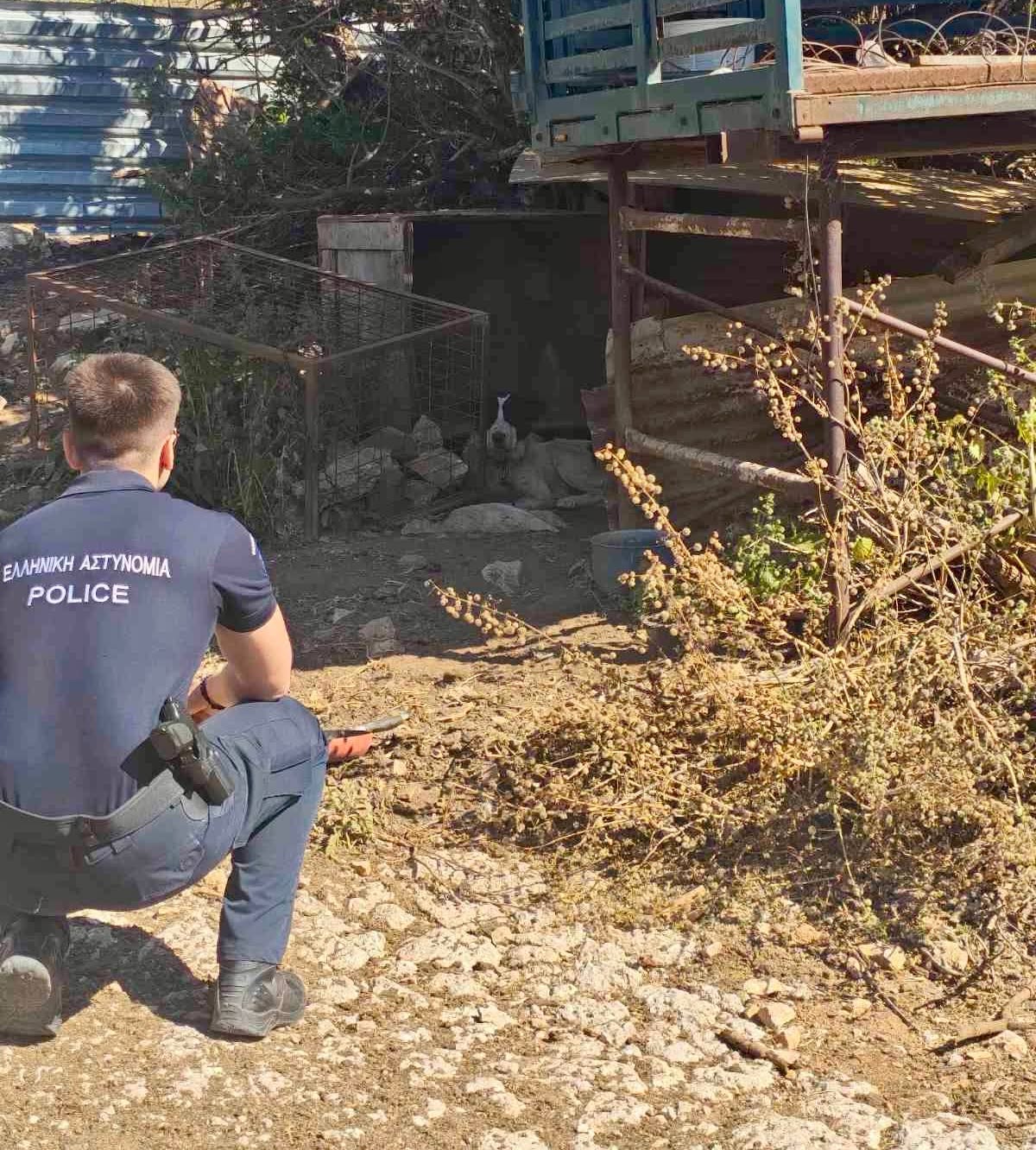 Municipality of Aegina, 2018–2022
Cited as global best practice
03 / Regional Level · since 2025
Crete
The situation
Most pet owners attending our clinics say they have never been informed by a veterinarian or a public authority about responsible ownership and their legal obligations. Many of the areas we serve are veterinary deserts, where the nearest vet can be two hours away and around 90% of animals we see have never been examined before.
What we did
Since March 2025 we have been piloting a regional prevention model across 24 municipalities and 620,000 inhabitants, combining awareness, access to veterinary care, law enforcement and community engagement. The goal is to reach 61,000 owned dogs and thousands of owned cats by 2030, and 80% compliance with Law 4830/2021 among vulnerable owners, farmers and hunters.
Most pet owners attending our clinics say they have never been informed by veterinarians or public authorities about responsible pet ownership and their legal obligations.
The result — as of May 2026
A scalable blueprint — developed, tested and measured so it can be replicated across other regions.
“A strategic partnership delivering measurable results in companion animal management”
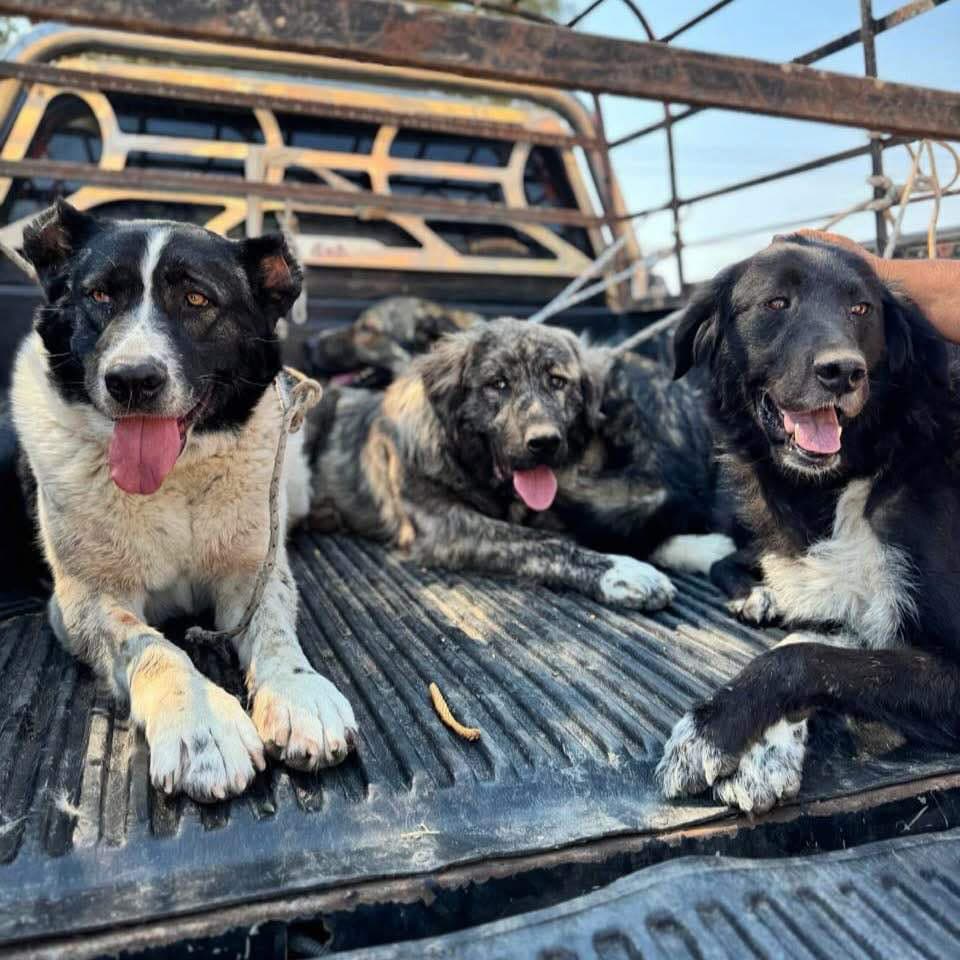 Free veterinary clinic, Crete
04 / Nationwide Level · since 2023
Zero Stray Academy
The situation
Following the success of Aegina, more than 60 municipalities asked for support. Most lacked the knowledge and practical tools to reduce stray populations or to implement companion animal welfare legislation — so the constraint was never willingness, it was capability.
What we did
For mayors, deputy mayors, public health directors and municipal staff — covering responsibilities under Law 4830/2021, the economic impact of strays, access to funding, registries, microchipping and neutering programmes, One Health and public safety, animal abuse, collaboration with police, school education, and three-year strategic and operational plans.
More than 200 of Greece’s 332 municipalities trained as of May 2026.
From government, lawmaking, law enforcement, municipal leadership, academia, veterinary medicine and animal welfare — connecting expertise directly with the authorities responsible for implementation.
The result
Since police training launched, enforcement of animal protection law has risen sharply across the country.
“Unique in delivering real, hands-on support beyond theory for strategic guidance and business plan creation”
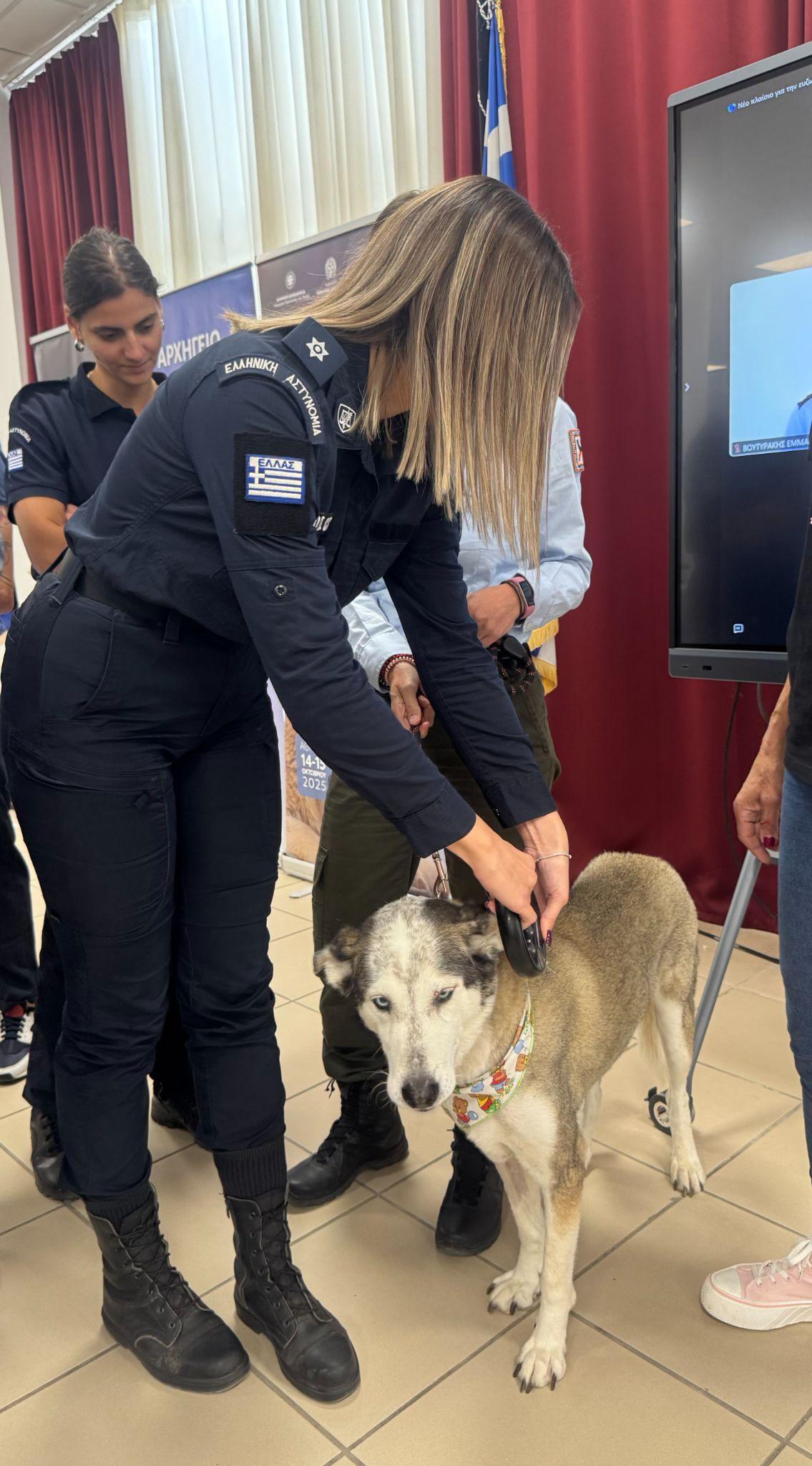 Police training, nationwide